
How we build and test holding electromagnets in Foshan
Lodegrip builds DC holding electromagnets and solenoids in its own factory in Foshan, China. Housings and poles are machined and zinc or nickel plated, coils are wound, and each part is assembled, potted if it is a holding electromagnet, and packed. New designs go through four in-house type tests. Custom orders start at 50 pieces.
What happens at each production step?
Every Lodegrip electromagnet follows the same six stages. Housings and poles are machined and then zinc or nickel plated, and the coil is wound for your voltage. Coil and housing are assembled, holding electromagnets are potted, and parts are packed once the design has passed its type tests. The coil and pole face decide most of the holding force.
| Step | What happens | What it controls |
|---|---|---|
| Machining | Housing, center pole and mounting threads are machined from steel | A flat pole face and a mounting pattern that fits your machine |
| Plating | Housings and poles are zinc or nickel plated | Corrosion resistance and surface finish |
| Coil winding | Enameled copper wire is wound on a bobbin to the turn count set for your voltage | Holding force, current draw and temperature rise |
| Assembly | The coil is fitted into the plated housing and the lead wire is attached | Correct pole contact and a secure cable exit |
| Potting | On holding electromagnets, the coil is sealed into the housing with potting compound | Protection against moisture, vibration and loose turns |
| Testing and packing | New designs go through the four in-house type tests, then parts are film wrapped and boxed for export | Parts that match the approved sample and arrive undamaged |


The same line builds single-pole parts and multi-pole electromagnetic gripper plates. Standard shapes and sizes are listed across our DC holding electromagnet range.
Which tests does Lodegrip run in-house?
New designs go through four in-house type tests: holding force against steel of different thickness, temperature rise of the coil, push-pull force across the solenoid stroke, and a life test over repeated cycles. Together they show whether a coil gives enough force without overheating at its duty cycle. The checks to run at your end are in incoming inspection of holding electromagnets.
- Holding force vs steel thickness: the magnet is pulled off steel plates of several thicknesses, because thin plate saturates and holds less.
- Temperature rise: the coil runs at rated voltage and duty cycle until its temperature settles.
- Push-pull force vs stroke: solenoid force is recorded along the stroke, since force drops as the air gap grows.
- Life test: the part is switched on and off for repeated cycles to check the coil, plunger and spring.
This page lists test methods only. We do not publish test figures here, because a result means little without the steel grade, thickness, air gap and voltage behind it. The stroke and force trade-off matters most on our DC push-pull solenoid range.


What should you send for a custom quote?
For a custom holding electromagnet, send the workpiece material and thickness, the air gap, the supply voltage, the duty cycle, the size limits and the mounting method. With those six items Lodegrip can size the coil and pole face, and quote without a round of follow-up questions. A drawing helps but is not required.
- Workpiece material and thickness: for example low-carbon steel, 3mm sheet.
- Air gap: any paint, coating, film or spacing between the pole face and the part.
- Voltage: 12V or 24V DC, or the DC supply you already have.
- Duty cycle: how long the coil stays on and off, or continuous.
- Size limits: the largest diameter, length or height that fits.
- Mounting: thread size, hole pattern or bracket, and cable exit.
For a solenoid, add the stroke length, the force needed at that stroke, and whether it pushes or pulls. You can attach a drawing or photo to the RFQ form with drawing upload.
How does a custom order run from drawing to delivery?
A Lodegrip custom order runs in five steps: you send the working conditions, we propose a coil and housing design with a price, samples are ready in seven days for holding electromagnets, 15 to 20 days for large multi-pole gripper plates or 10 to 12 days for push-pull solenoids, you approve them after testing, and production takes about 25 days. The minimum order is 50 pieces per design.
- You send the drawing or the six working conditions listed above.
- We propose the coil, housing and pole face design, then quote.
- Samples are made in seven days for holding electromagnets, 15 to 20 days for large multi-pole gripper plates and 10 to 12 days for push-pull solenoids, and checked on our test benches.
- You fit and test the samples on your machine and approve them.
- Production of 50 pieces or more takes about 25 days, then parts are wrapped and packed for export.

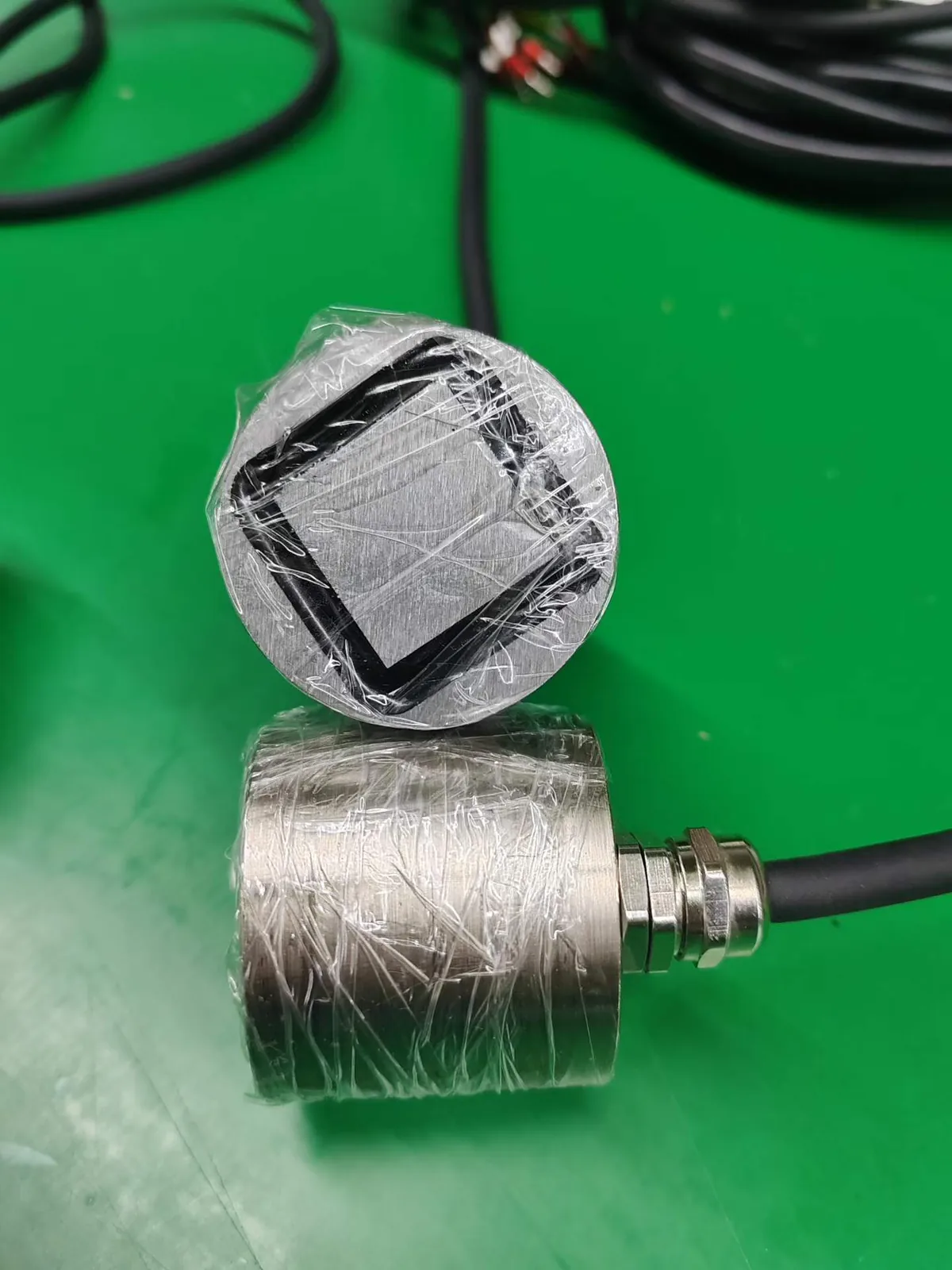
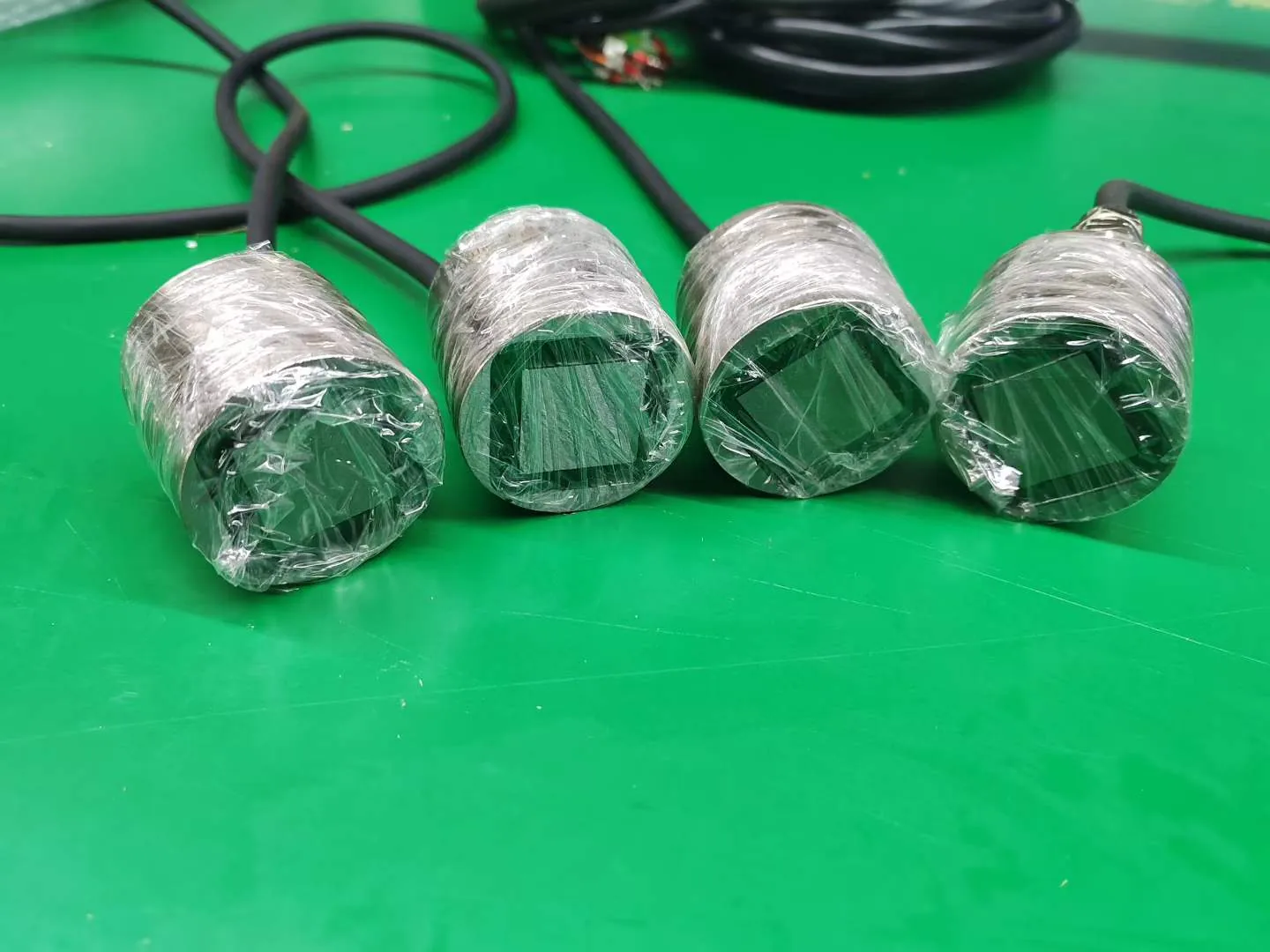
Can you build a replacement for an imported electromagnet or solenoid?
Yes. Lodegrip builds replacements for imported holding electromagnets and push-pull solenoids by matching what the existing part does, not its model number. The new unit is sized to the same mounting, voltage and force, then checked beside the original on your machine before production starts.
Cross-reference charts rarely exist for magnets like these, and a part number says little about the coil inside. The working figures do. Send what you have from the list below, and send photos of the existing part with the RFQ, label included, even if its maker has stopped supplying it.
- The old part itself, or photos of its front, side and label
- Outside dimensions, mounting thread or holes, and where the cable leaves
- Coil resistance measured cold with a multimeter, and the supply voltage
- How long the coil stays on and off in each cycle
- For a holding electromagnet: the part it holds, its material and thickness
- For a solenoid: the stroke, and the force needed at the start of it
We measure the sample, propose a coil and housing that meet the same conditions, and make samples, in seven days for a holding electromagnet or 10 to 12 days for a push-pull solenoid. You run them beside the original before approving an order of 50 pieces or more. If the old part ran hot or wore early, the replacement can be built to fix that rather than copy it.
Which quality certification and compliance marks apply?
The factory is certified to ISO 9001, which covers how production is planned, checked and recorded. Materials are RoHS compliant, so restricted substances stay within EU limits, and CE marking is applied where the product falls under it. Ask for the ISO 9001 certificate and the RoHS test report with your quote. On request with the order, each batch can also ship with a factory inspection report covering coil DC resistance at 20°C, insulation resistance and a sampled static holding force test.
Start with a sample
Send your working conditions and get tested samples from seven days.